 2027 APPLICATIONS OPEN. APPLY NOW.
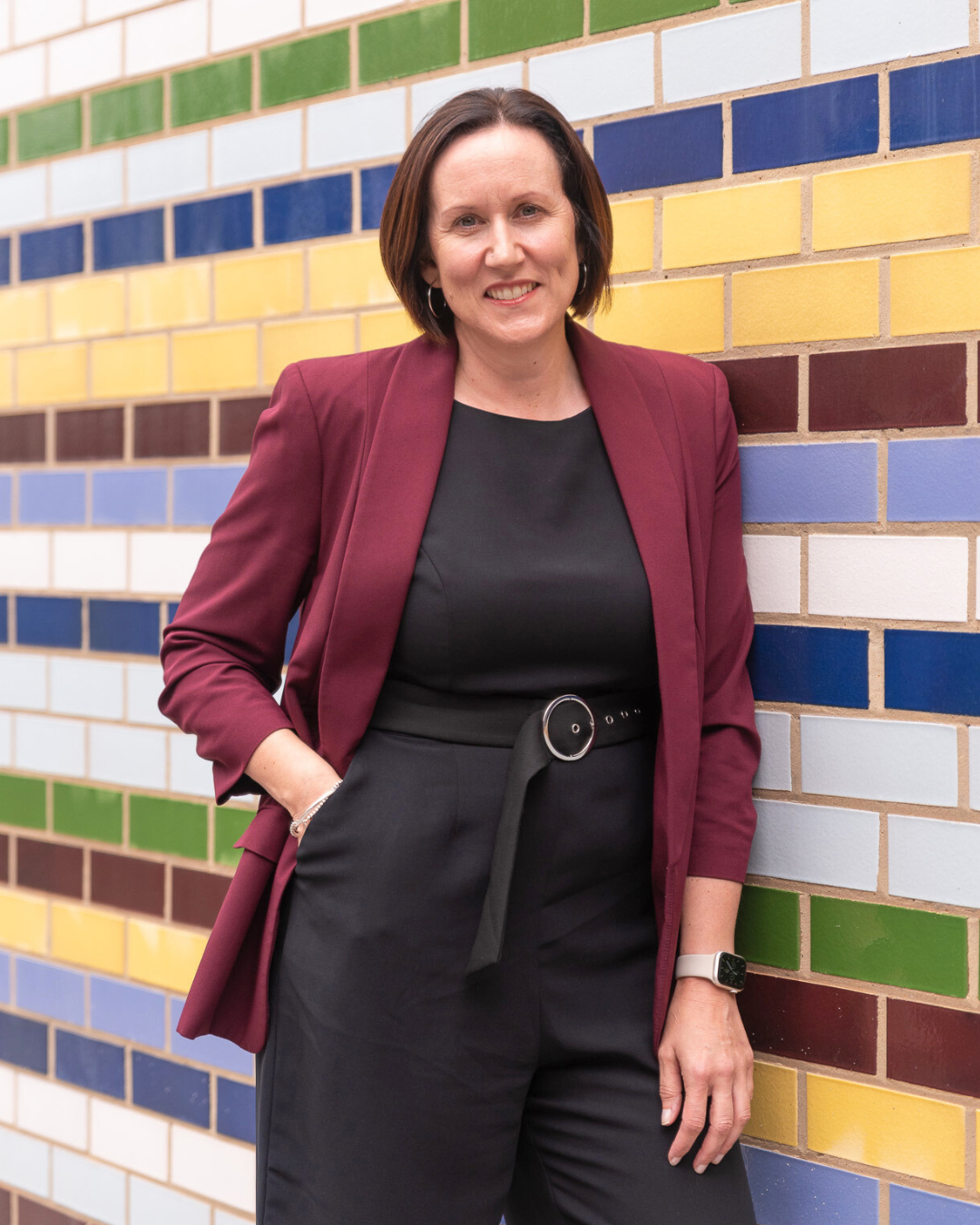
Amanda, Education Excellence Executive Director
What does International Women's Day mean to you?
International Women’s Day is both a moment of recognition and a call to action. It’s a time to acknowledge the progress that’s been made toward gender equality, while also being honest about the work that still lies ahead.
For me, it’s about celebrating the strength, leadership and contributions of women in all their diversity—particularly those whose voices haven’t always been heard or valued. It’s also a reminder that gender equality doesn’t happen by chance; it requires intention, advocacy and everyday action from all of us.
In an education setting, International Women’s Day carries added significance. The cultures we create and the behaviours we model shape not only our workplaces, but the future workplaces our students will enter. I see the day as an opportunity to reinforce shared responsibility—for challenging bias, standing up for one another, and creating environments where everyone feels safe, respected, and empowered to succeed.
International Women’s Day matters because it keeps equality visible, accountability active and provides the momentum to continue to move forward.
What does gender equality mean to you?
To me, gender equality means creating environments where people are valued for who they are and what they contribute, not limited by assumptions, stereotypes or structural barriers. It’s about fairness in opportunity, safety in participation and respect in everyday interactions.
In an education context, gender equality also means responsibility. What we model as an organisation shapes not only our workplace culture, but the future workplaces our students will enter. That’s why I see gender equality as both a cultural and leadership commitment—one that requires intention, accountability and ongoing action, not just statements of support.
Gender equality means everyone can show up, contribute fully and progress without having to navigate unnecessary bias or prove they belong.
How do you stand up for others or challenge gender stereotypes?
I stand up for others by using my voice, my position, and my influence to challenge assumptions and create space for people to be heard—particularly when those voices are at risk of being overlooked.
In practice, that means calling out gender stereotypes when they surface, whether in language, expectations or decision making and reframing conversations back to capability, evidence and impact. I’m intentional about modelling inclusive leadership, ensuring diverse perspectives are invited into discussions and that contributions are acknowledged and valued.
I also believe challenging stereotypes is about normalising respect and accountability, not just responding when issues arise. I’ve helped reinforce clear expectations around behaviour, safety and dignity, and highlighted the role education plays in shaping more equitable workplaces and communities.
In what ways has The Gordon supported gender equality for you?
The Gordon has supported gender equality for me in both practical and cultural ways. I’ve seen a clear organisational commitment to creating environments where women feel safe, respected and able to lead authentically.
At a strategic level, the development of the Gender Equality Action Plan (GEAP) and the organisation wide focus groups demonstrated that lived experience matters and that staff voices actively shape how gender equality is progressed across the organisation. The focus on listening, reflection and accountability sends a strong message that this work is embedded, not symbolic.
Overall, I’ve felt supported by an organisation that not only talks about gender equality, but backs it up through