 2027 APPLICATIONS OPEN. APPLY NOW.
The power of inclusive learning
2026-10-13
 ;
;
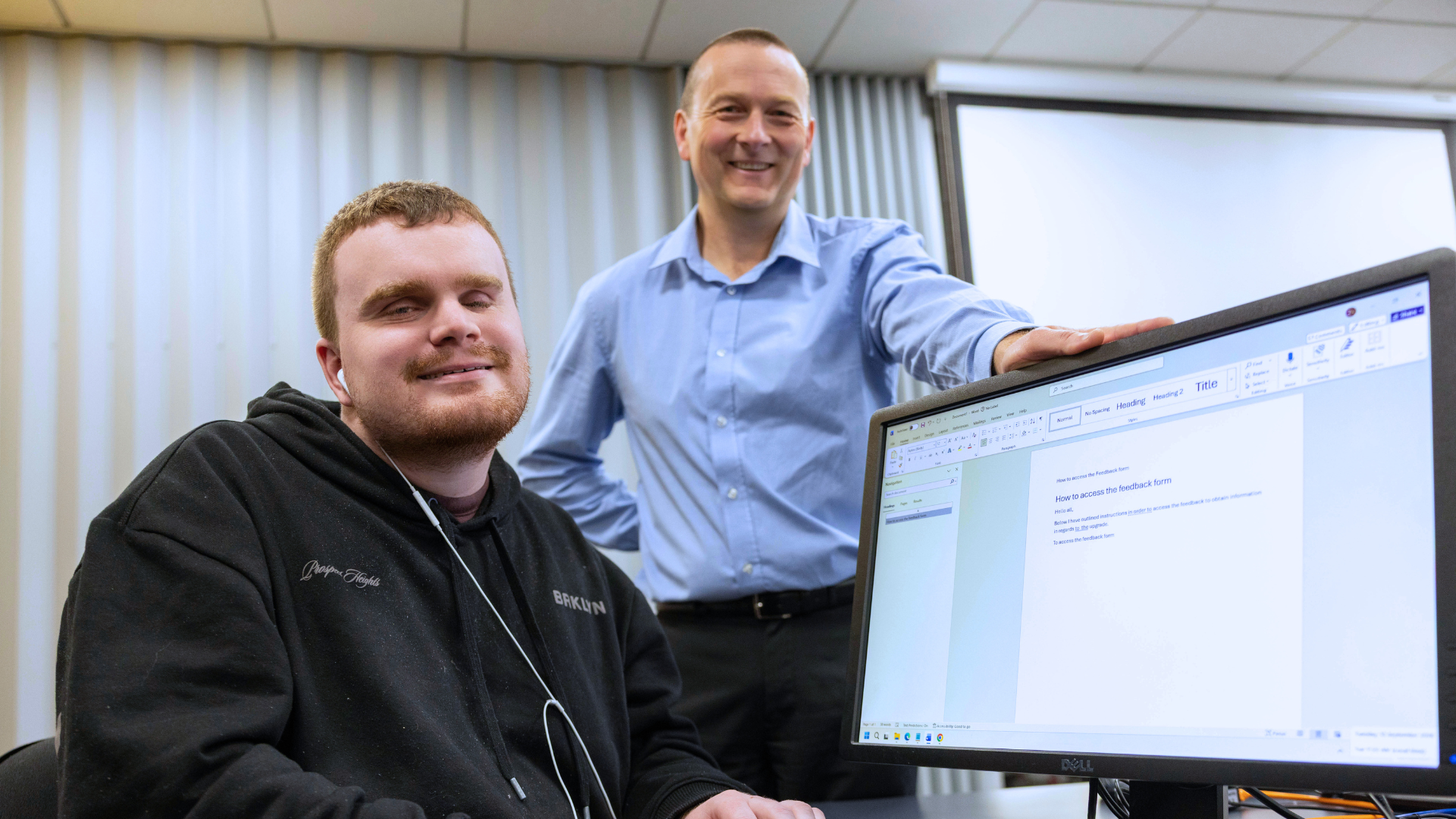
Caleb: My passion for technology began in high school when I had to adapt to using a computer. I quickly realised that if I didn’t adapt, I would be left behind.
I challenged myself to keep learning and working with new technology. Along the way I’ve encountered barriers, particularly when using screen readers with software and websites that aren’t always designed with accessibility in mind. Whenever I come across a problem, I try to find a solution. Those experiences have taught me persistence and valuable problem-solving skills.
Randall: I would be lying if I said there were no concerns at first. IT is a hands-on discipline with a strong visual component, so naturally there were questions about how a blind student would navigate that environment.
However after meeting Caleb and The Gordon’s disability support team, it became clear that with the right adjustments and support there was no reason he couldn’t succeed.
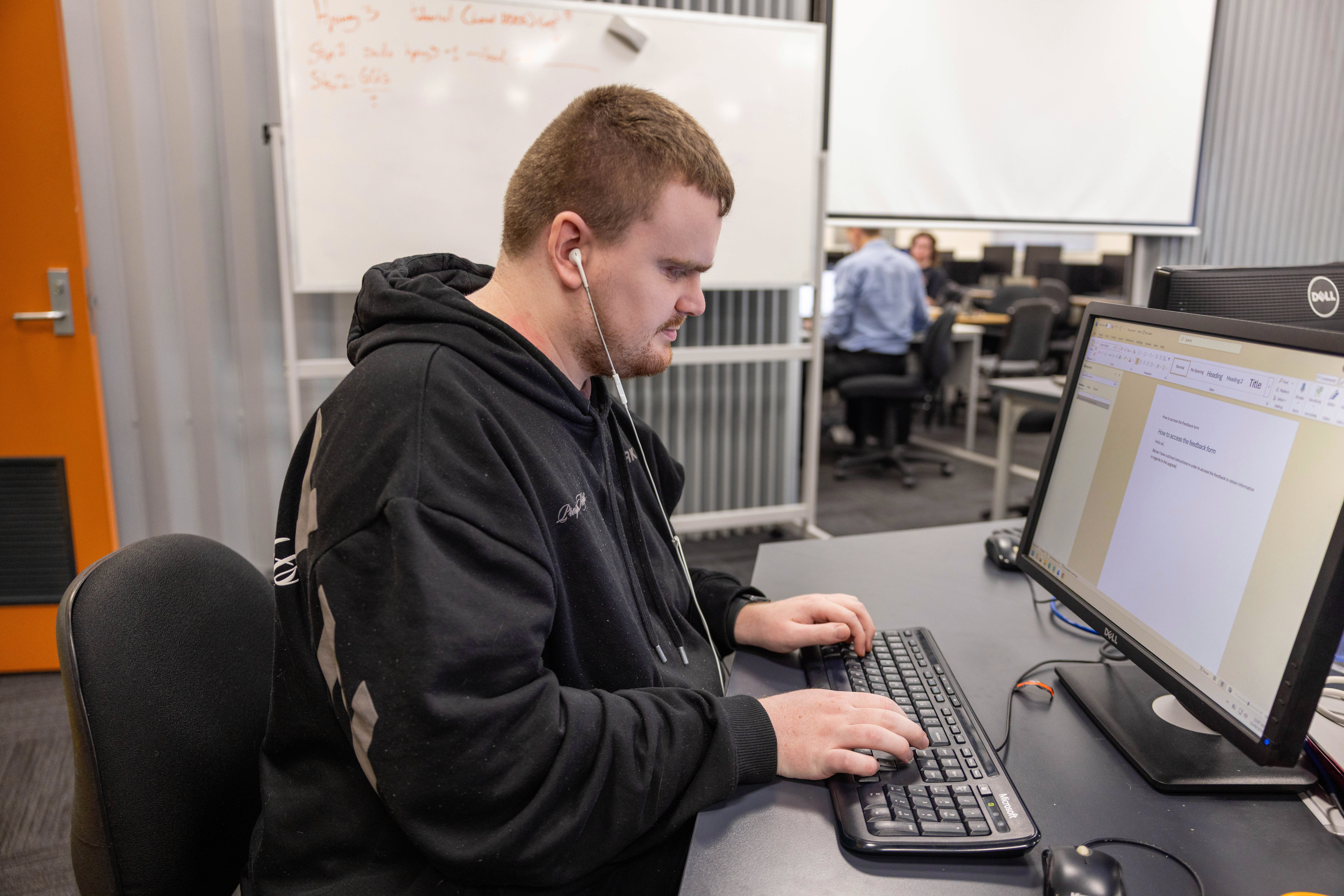
Randall: We allocated computer stations close to classroom entrances, installed screenreading software and ensured pathways remained easy to navigate.
As a teaching team, we adapted how we deliver information by verbally explaining practical demonstrations, describing visual elements and providing flexibility in assessments where required. These relatively straightforward changes have made a significant difference to Caleb’s learning experience.
Caleb: I’ve found day-to-day life at The Gordon to be fantastic. Both staff and students have been welcoming, respectful and supportive. If I ever encounter an issue there is always someone willing to help.
What I’ve appreciated most is being treated the same as everyone else. That culture has helped me feel comfortable, included and confident throughout my studies.
Caleb: Receiving the Kinetic IT Scholarship has been one of my biggest achievements so far. It has motivated me even more to complete my studies and to pursue further education opportunities.
My confidence has also grown through the support and respect I’ve received from both staff and fellow students. Knowing people are approachable and willing to work through challenges together has made a real difference.
Randall: Caleb’s journey has been inspiring to witness and has reinforced that inclusive education is a two-way street. As an educator we can provide support and make adjustments to create an inclusive learning environment. Caleb has matched that support with commitment and determination, demonstrating every day what can be achieved through a collaborative approach to learning.
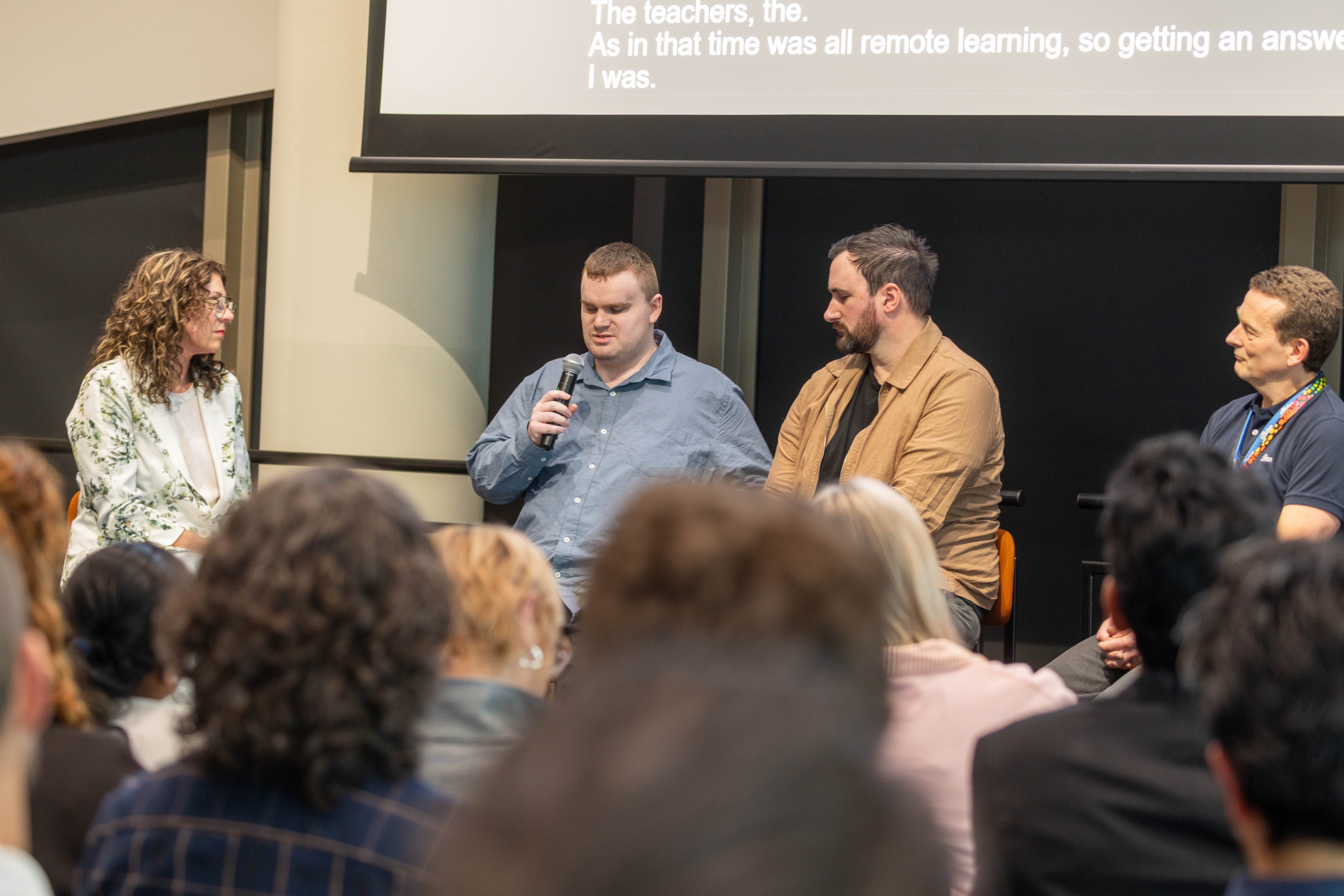
One example that stands out came during a class discussion on web design principles. Caleb shared his experiences navigating websites where accessibility had not been properly considered, providing real-world insights that brought the lesson to life. We have also found that many of the adjustments introduced to support Caleb have benefited other students, reinforcing how inclusive teaching often improves learning outcomes for everyone.
Caleb: My advice is simple: give it a real crack! Talk to your teachers and support staff about your needs and concerns.
Those conversations can make a huge difference and help ensure the right support is in place. Don’t be afraid to step outside your comfort zone because it might end up being one of the most rewarding experiences of your life.
Looking ahead, I hope to continue my studies and eventually build a career in cyber security. It’s an area I’m passionate about and excited to pursue.
Courses to study in 2027 are now open!
Explore now